
AirHelp charges a service fee only if they successfully secure compensation for your claim. This fee is a percentage of the total compensation received.
AirHelp
AirHelp is the world's largest online platform that helps air passengers get compensation from airlines for delayed, canceled, or overbooked flights.
Key features
- Eligibility Checker
- Comprehensive Claim Management
- 'No Win, No Fee' Model
- Expert Legal Team
- Global Coverage for Applicable Regulations
- User-Friendly Platform
- Multilingual Support
- AirHelp Score for airline evaluation
Pros & Cons
Pros
- Saves time and effort for passengers
- Increased success rate due to expert knowledge
- No upfront financial risk ('no win, no fee')
- Expert advocacy and legal representation
- Reduces stress of dealing with airlines
- Transparent communication and updates
Cons
- Service fee taken from compensation
- Claim resolution can be lengthy
- Eligibility depends on specific regulations and circumstances
- Primary focus on EU261, other regulations may vary
What Is AirHelp?
AirHelp is a leading online service dedicated to assisting air passengers in claiming compensation from airlines for flight disruptions. This includes situations such as delayed flights, canceled flights, and instances of denied boarding due to overbooking. Essentially, AirHelp acts as an intermediary, leveraging its expertise in air passenger rights and legal processes to manage compensation claims on behalf of travelers who might otherwise find the process daunting or time-consuming.
The platform aims to simplify what can often be a complex and frustrating experience for passengers, providing a clear path to potentially receiving financial compensation they are legally entitled to under regulations like EU261. By handling everything from document collection to legal proceedings, AirHelp allows passengers to focus on their travel plans while working to secure their rightful compensation.
How AirHelp Works
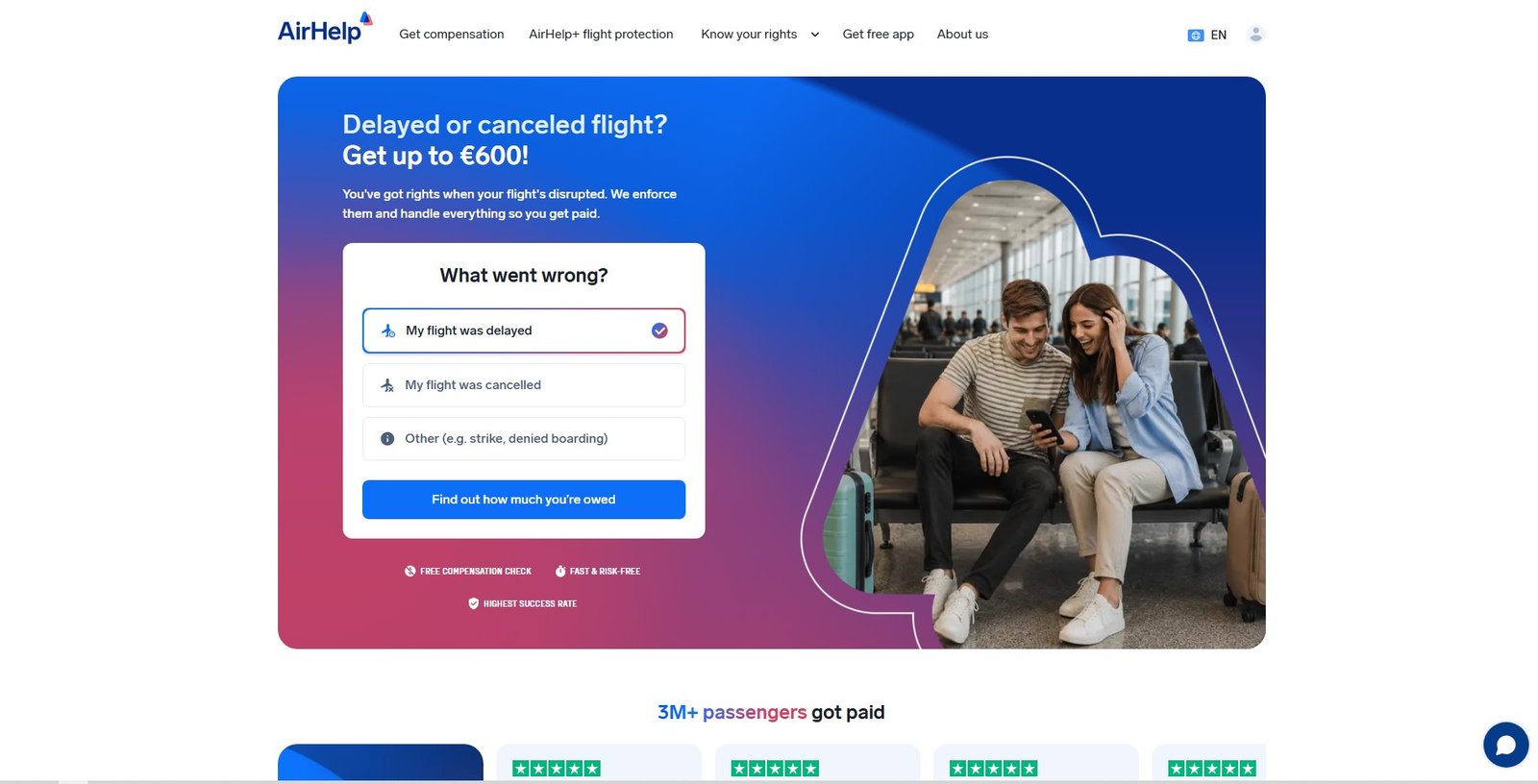
AirHelp operates on a ‘no win, no fee’ basis, making it an attractive option for many travelers. The process typically begins when a passenger submits their flight details through the AirHelp website. This initial step involves providing information about the disrupted flight, such as the flight number, date, and the nature of the disruption (delay, cancellation, or overbooking).
Once the details are submitted, AirHelp’s team assesses the eligibility of the claim based on relevant air passenger rights regulations, primarily EU261. This regulation dictates specific conditions under which passengers are entitled to compensation, including the length of the delay, the reason for the disruption, and the origin/destination of the flight. If the claim is deemed valid, AirHelp takes over the entire process. This includes preparing the necessary documentation, communicating with the airline, and, if required, pursuing legal action to ensure the airline pays the compensation.
Passengers are kept informed throughout the process, receiving updates on the status of their claim. If AirHelp successfully secures compensation, they take a percentage of the compensation as their service fee, and the remainder is transferred to the passenger. If the claim is unsuccessful, the passenger owes nothing, reinforcing the ‘no win, no fee’ model.
Key Features of AirHelp
AirHelp offers a suite of features designed to streamline the flight compensation process and maximize the chances of a successful claim:
- Eligibility Checker: A quick and easy-to-use tool on their website that allows passengers to determine if their disrupted flight qualifies for compensation.
- Comprehensive Claim Management: AirHelp handles all aspects of the claim, from initial submission and document gathering to communication with airlines and, if necessary, legal proceedings.
- ‘No Win, No Fee’ Model: Passengers only pay a service fee if AirHelp successfully secures compensation for them.
- Expert Knowledge: A team of legal experts and air passenger rights specialists who are well-versed in complex regulations like EU261.
- Global Coverage: While primarily focused on EU261, AirHelp also assists with claims under other international regulations where applicable.
- User-Friendly Platform: An intuitive website and mobile app (where available) for submitting claims and tracking progress.
- Multilingual Support: Assistance available in multiple languages to cater to a global customer base.
- AirHelp Score: A rating system that evaluates airlines based on their service quality, on-time performance, and claim processing.
Main Use Cases for AirHelp
AirHelp is particularly useful in several common scenarios where air travel goes awry:
- Flight Delays: When a flight arrives at its destination three hours or more behind schedule, passengers may be eligible for compensation, provided the delay was within the airline’s control.
- Flight Cancellations: If a flight is canceled without sufficient prior notice (typically less than 14 days) and the airline doesn’t offer an acceptable alternative, passengers can claim compensation.
- Denied Boarding (Overbooking): When an airline denies a passenger boarding due to overbooking, even if they have a valid ticket and arrived on time, compensation may be due.
- Missed Connections: In some cases, if a flight delay causes a passenger to miss a connecting flight, and the final destination is reached with a significant delay, compensation might be applicable.
- Complex Claims: For situations where airlines are unresponsive, dispute claims, or require legal intervention, AirHelp’s expertise becomes invaluable.
Who Is AirHelp Best Suited For?
AirHelp is ideal for any air traveler who has experienced a flight disruption and wishes to pursue compensation without the hassle and complexity of dealing directly with airlines or navigating legal frameworks. It is particularly beneficial for:
- Frequent Flyers: Those who travel often are more likely to encounter disruptions and can benefit from a streamlined process for claiming compensation.
- Infrequent Travelers: Passengers who rarely fly may not be aware of their rights or how to claim, making AirHelp’s guided service very helpful.
- Individuals with Limited Time: People who do not have the time or patience to engage in lengthy correspondence or legal battles with airlines.
- Travelers Unfamiliar with Air Passenger Rights: Anyone who is unsure about the specific regulations (like EU261) that govern flight compensation.
- Passengers Facing Airline Resistance: When an airline denies a valid claim or is difficult to communicate with, AirHelp’s intervention can be crucial.
- Tourists and Business Travelers: Both groups frequently face disruptions and can benefit from having a professional service manage their claims.
Benefits and Practical Advantages of Using AirHelp
Choosing AirHelp to manage a flight compensation claim offers several distinct advantages:
- Saves Time and Effort: AirHelp handles all the paperwork, communication, and legal legwork, freeing up the passenger’s time.
- Increased Success Rate: With their specialized knowledge and legal resources, AirHelp often has a higher success rate in securing compensation compared to individual passengers.
- No Upfront Costs: The ‘no win, no fee’ model eliminates financial risk for the passenger, as payment is only due upon successful compensation.
- Expert Advocacy: Passengers benefit from expert legal representation and a deep understanding of complex international air passenger rights laws.
- Reduced Stress: The entire process of claiming compensation can be stressful; AirHelp removes this burden from the passenger.
- Transparency: AirHelp provides regular updates on the claim’s progress, keeping passengers informed every step of the way.
- Access to Data: They utilize extensive flight data to verify disruption causes, strengthening claims against airline arguments.
Limitations or Considerations
While AirHelp provides a valuable service, there are a few considerations to keep in mind:
- Service Fee: While ‘no win, no fee’ is beneficial, AirHelp does take a percentage of the compensation as their fee, meaning the passenger receives a portion rather than the full amount.
- Claim Duration: The process of securing compensation can sometimes be lengthy, extending from a few weeks to several months, especially if legal action is required.
- Eligibility Restrictions: Not all flight disruptions are eligible for compensation. Extraordinary circumstances (e.g., severe weather, political unrest, air traffic control strikes) that are beyond the airline’s control typically do not qualify.
- Jurisdictional Limits: While AirHelp covers many international regulations, specific local laws might vary, and their primary expertise lies in EU261.
How to Get Started with AirHelp
Getting started with AirHelp is a straightforward process designed for ease of use:
- Visit the AirHelp Website: Navigate to the AirHelp homepage.
- Enter Flight Details: Use the eligibility checker to input your flight number, date of travel, and the nature of the disruption (delayed, canceled, or overbooked).
- Check Eligibility: AirHelp’s system will quickly assess if your flight disruption is likely eligible for compensation based on relevant regulations.
- Submit Your Claim: If eligible, you will be prompted to provide more detailed information, including personal details, booking confirmation, and any other relevant documents.
- Sign Authorization: You’ll need to grant AirHelp authorization to act on your behalf to communicate with the airline and pursue the claim.
- Track Progress: Once your claim is submitted, you can monitor its status through your AirHelp account or via email updates.
- Receive Compensation: If successful, AirHelp will transfer your compensation (minus their service fee) directly to your preferred payment method.
Practical Tips for Getting Better Results with AirHelp
To maximize your chances of a successful compensation claim and a smoother process with AirHelp, consider these tips:
- Keep All Documentation: Retain your boarding pass, e-ticket, booking confirmation, and any communication from the airline regarding the disruption. Photos of airport information screens showing delays or cancellations can also be helpful.
- Understand the Reason for Disruption: If possible, try to ascertain the exact reason for the delay or cancellation. Airlines are often obliged to provide this information. This helps AirHelp build a stronger case.
- Claim Promptly: While there are statutes of limitations, it’s generally best to submit your claim as soon as possible after the disruption.
- Be Patient: Compensation claims can take time. Airlines may be slow to respond or may dispute claims, leading to longer resolution periods. Trust AirHelp to handle the follow-ups.
- Know Your Rights: Familiarize yourself with basic air passenger rights, especially EU261, even if AirHelp is handling the claim. This knowledge empowers you to understand the process better.
- Provide Accurate Information: Ensure all details provided to AirHelp are accurate and complete to avoid delays in processing your claim.
Frequently Asked Questions
What types of flight disruptions does AirHelp cover?
AirHelp primarily covers flight delays of three hours or more, flight cancellations (especially those with less than 14 days’ notice), and denied boarding due to overbooking. Eligibility often depends on the specific circumstances and applicable air passenger rights regulations, such as EU261.
How much does AirHelp charge for its services?
AirHelp operates on a ‘no win, no fee’ basis. They charge a service fee, which is a percentage of the compensation received, only if they successfully secure a payout for your claim. If your claim is unsuccessful, you pay nothing.
What is EU261, and why is it important for flight compensation?
EU261 is a European Union regulation that establishes common rules on compensation and assistance to passengers in the event of denied boarding, flight cancellations, or long delays. It’s crucial because it grants passengers significant rights to compensation for disruptions that are within the airline’s control, regardless of the passenger’s nationality or the airline’s origin, as long as the flight departs from an EU airport or arrives at an EU airport (and the operating airline is EU-based).
How long does it take to receive compensation through AirHelp?
The duration of a compensation claim can vary significantly. Some claims are resolved within a few weeks, while others, especially those requiring legal action or facing airline resistance, can take several months. AirHelp keeps you updated on the progress of your claim.
Can I claim compensation for a flight disruption that happened a long time ago?
The eligibility period for claiming compensation varies by country and jurisdiction. For instance, under EU261, the time limit can range from 1 to 10 years, depending on the country’s specific laws. It’s always best to check with AirHelp or submit your details to see if your past flight is still eligible.
Is AirHelp Worth It?
For air passengers who have experienced the frustration of delayed, canceled, or overbooked flights, AirHelp offers a compelling solution. Its ‘no win, no fee’ model, combined with expert knowledge of complex air passenger rights regulations, significantly reduces the burden and risk for individuals seeking compensation. While AirHelp takes a percentage of the successful claim, the service provides peace of mind and often achieves results that individual passengers might struggle to obtain on their own. If you’ve faced a significant flight disruption, AirHelp can be a valuable ally in ensuring you receive the compensation you’re entitled to. It simplifies a process that is often designed to be difficult, allowing you to reclaim not just money, but also a sense of fairness in your travel experience.
Ready to check if your flight is eligible for compensation? Visit the AirHelp website today to get started.
Display your featured badge
Copy this badge into your website footer. Visitors who click it will open this listing page.

Related tools


Economy Bookings
Travel
Prices vary depending on rental location, vehicle type, rental duration, and chosen supplier.

EKTA Traveling
Travel
Pricing varies based on policy type, duration, and coverage. Please visit the website for a quote.

Go City
Travel
Prices vary depending on the city, type of pass (All-Inclusive or Explorer), and the number of days or attractions chosen. Check the official Go City website for specific pricing.